
A Western Addition House of Welcome

In the spirit of launch month, our first few emails will be free and open to all Special City members. To get on the special list to receive protected content starting in mid-March, upgrade to the Local Hero or Landmark Club level.
Guess Where
Can you guess the significant place that this symbol is attached to?
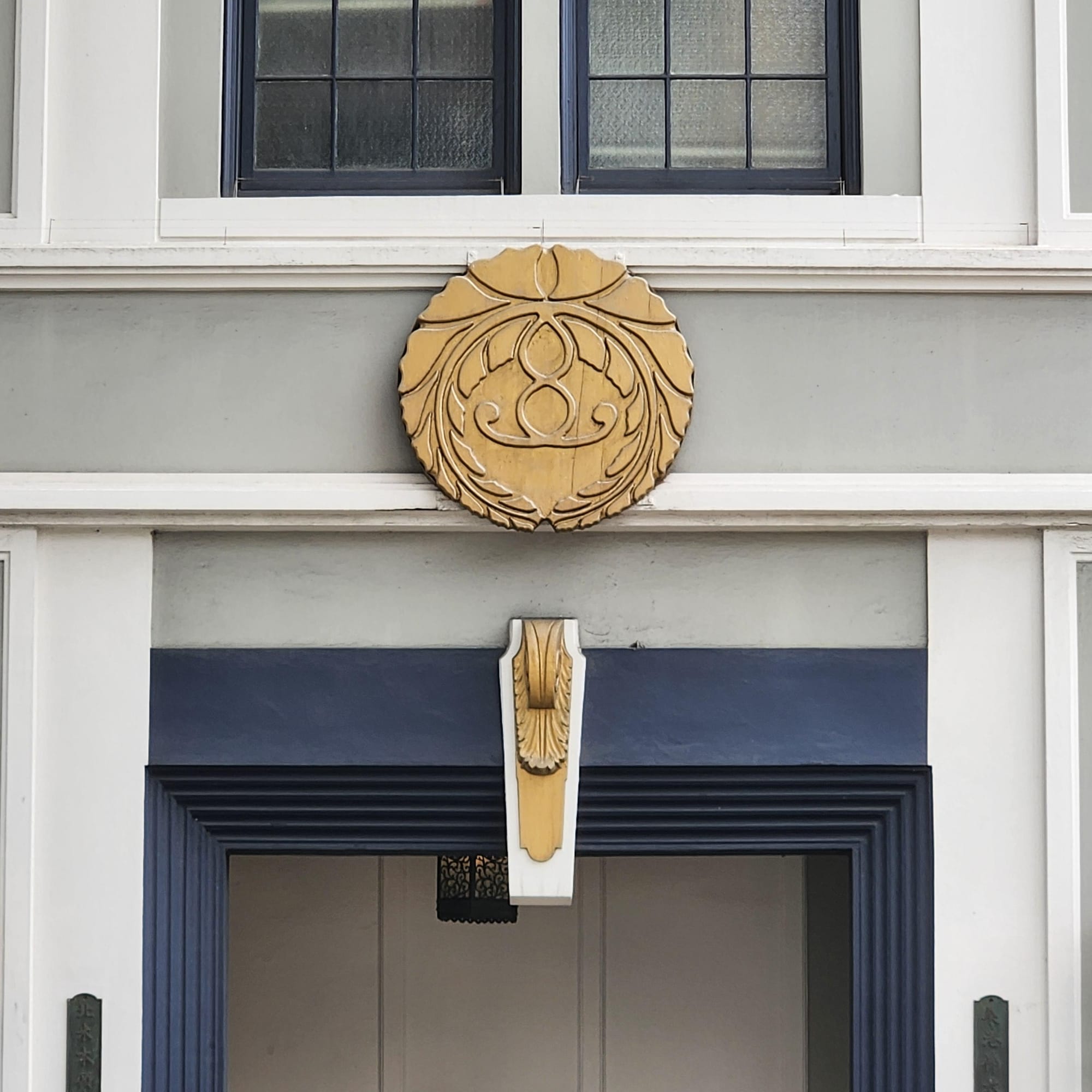
We'll reveal the answer at the bottom.

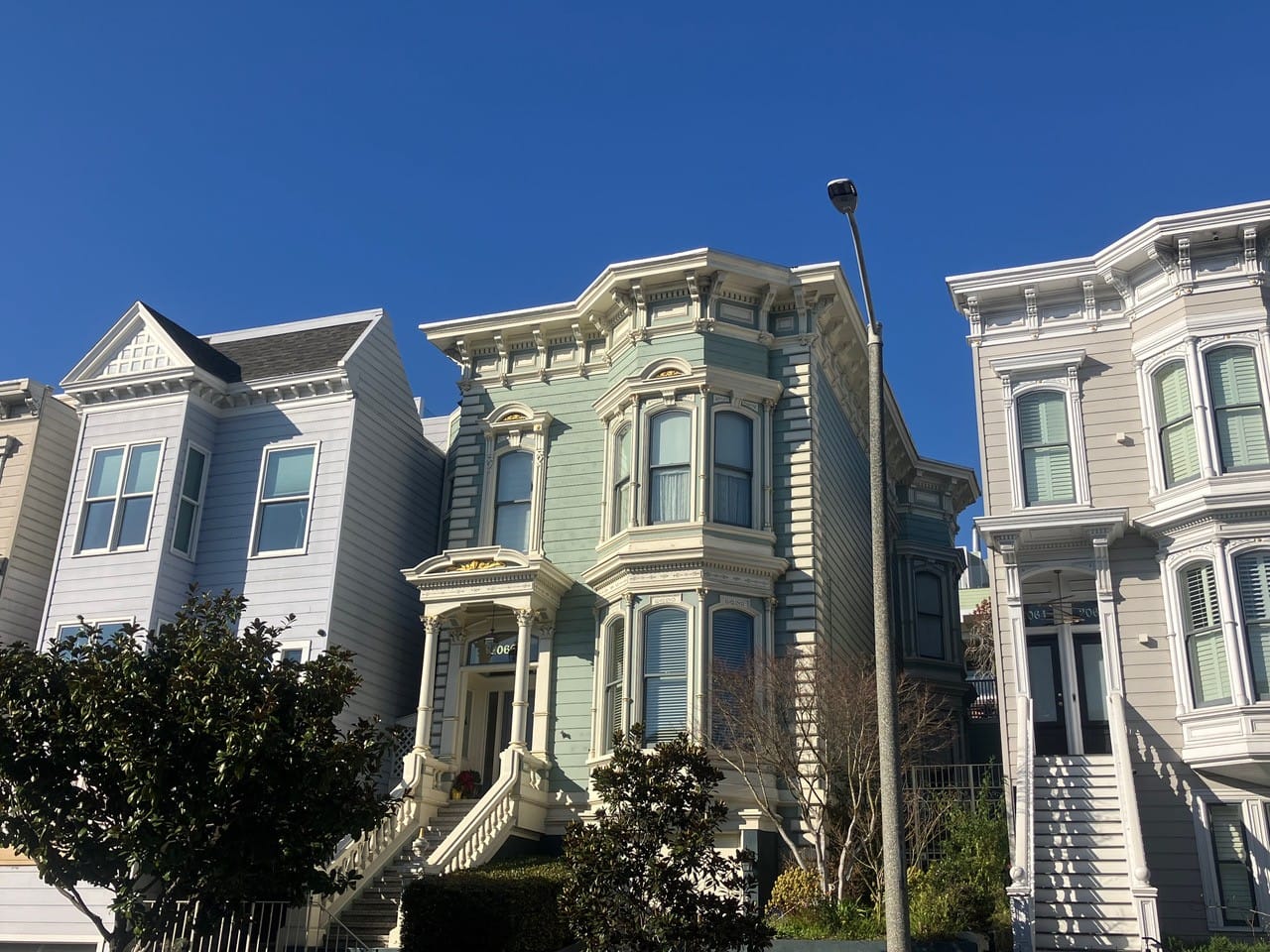
Behind a gingerbread facade
On learning that the beautiful 1870s Italianate house at 2066 Pine Street is a San Francisco city landmark, you might think the designation is due to its 19th century design.
While the building is an excellent example of the city’s architectural heritage and a survivor of the neighborhood’s redevelopment in the 1950s and 1960s, its significance runs deeper than gingerbread.
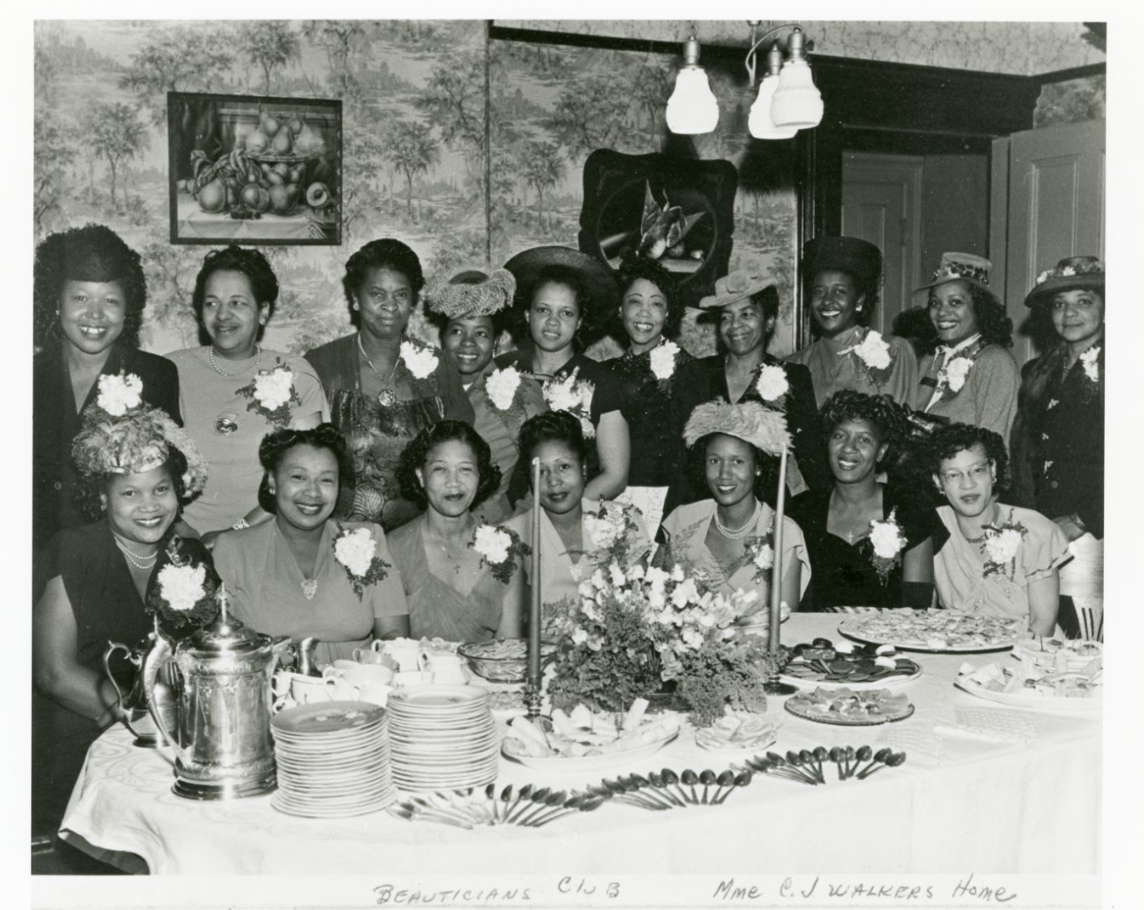
From 1921 to 1972, 2066 Pine Street was home to the Madame C. J. Walker Home for Girls and Women, a community service organization named in honor of one of the United States’ most successful African American businesswomen and philanthropists.
The Walker club provided lodging and services to African American women newly arrived in San Francisco. In an era of acute segregation and racism, when the YWCA and many boarding houses rejected Black applicants, the organization also kept a registry of other available lodgings, distributed clothing and cash relief, hosted holiday celebrations, and ran an employment agency.
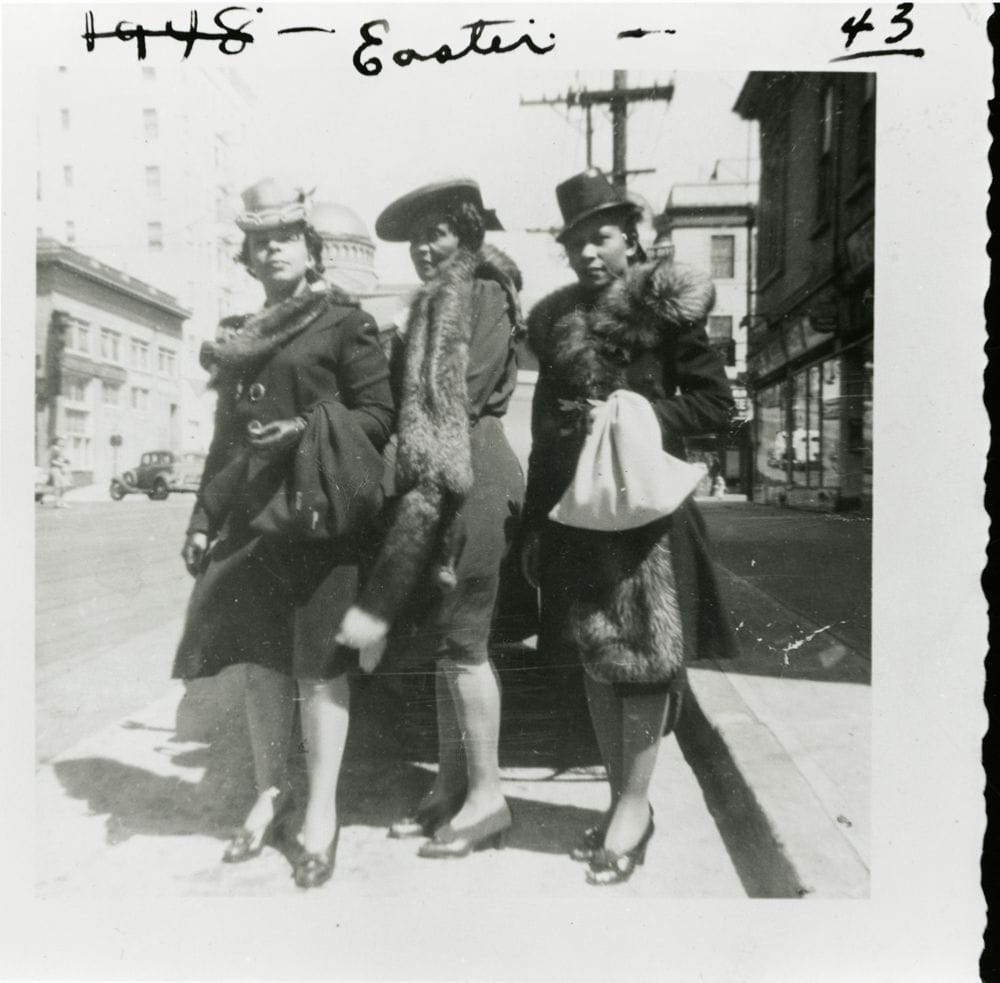
The basement was turned into a social hall for the Walker club and other organizations and acted as one of the few places available for African American business meetings and social events.
In 1972, the Walker club relocated and sold the property, which was returned to use as a single-family home. For both its cultural and architectural significance, 2066 Pine was designated San Francisco City Landmark no. 211 in 1999. The owners of the property at the time both testified and submitted a letter in support of the legislation.

Gone but not forgotten
Ironically, we are often inspired in our work of preserving the architectural and cultural heritage of San Francisco by images of what we have lost through disaster, demolition, or neglect.
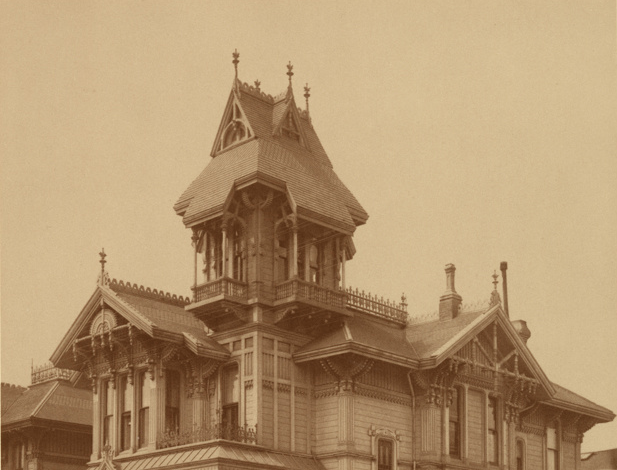
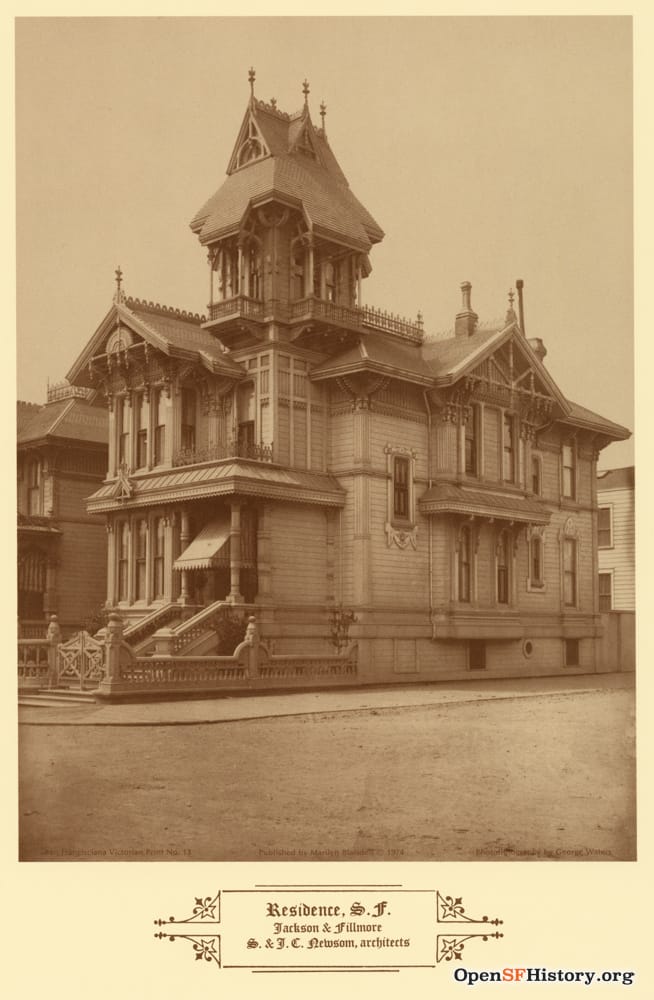
In 1881, Captain J. O. Van Bergen commissioned architects Samuel and J. Cather Newsom to build his house at 2435 Fillmore Street, on the southwest corner of Jackson Street.
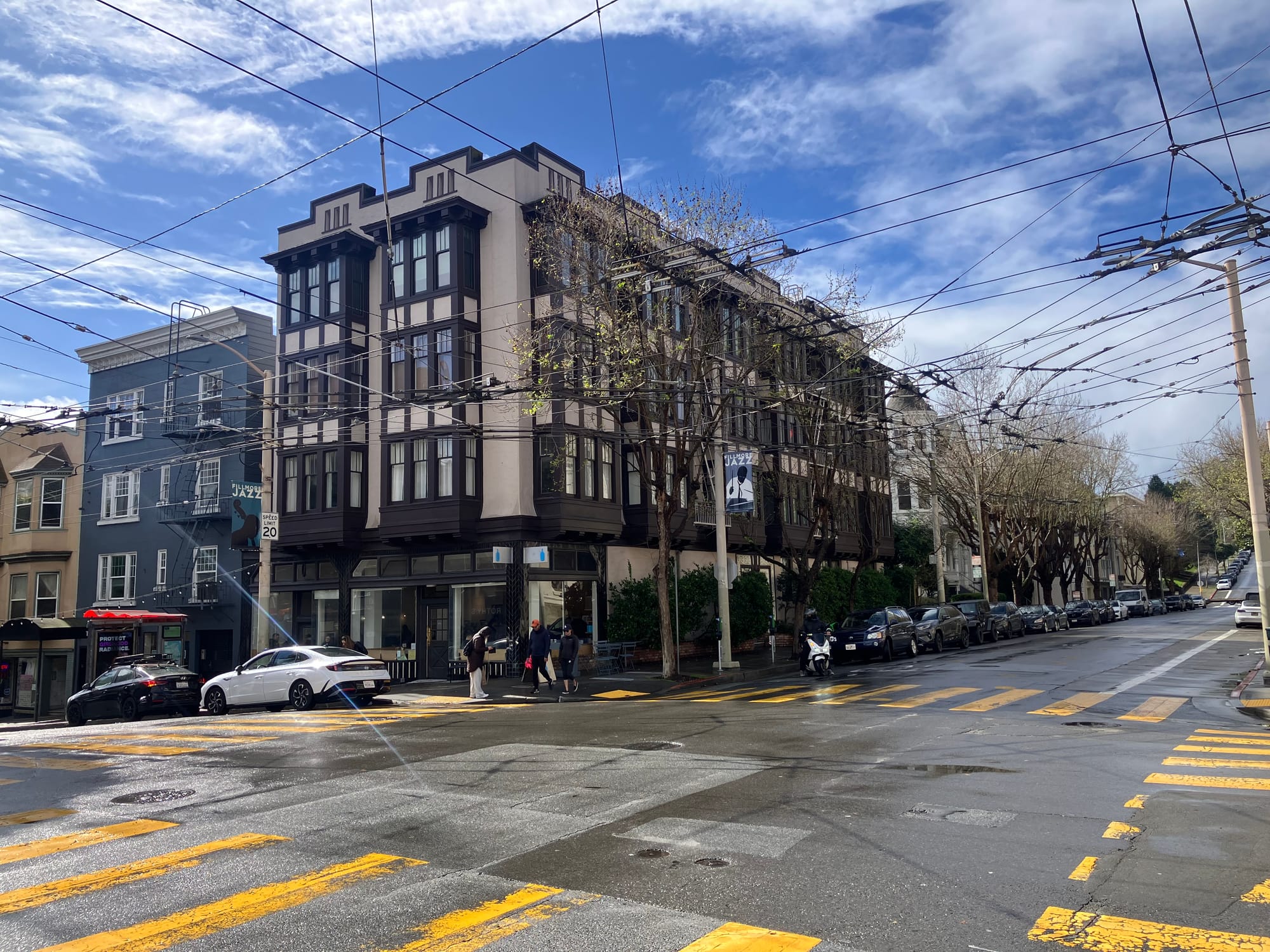
Adolph Rosenshine, who owned the property in 1907, saw the demand for housing in the aftermath of the 1906 earthquake and fire and decided to build a four-story apartment building on the site, which still stands today.
Rather than raze the fine old house, Rosenshine sold it for a reported $350 and it was moved a dozen blocks away to a new location at a cost of $1,500.
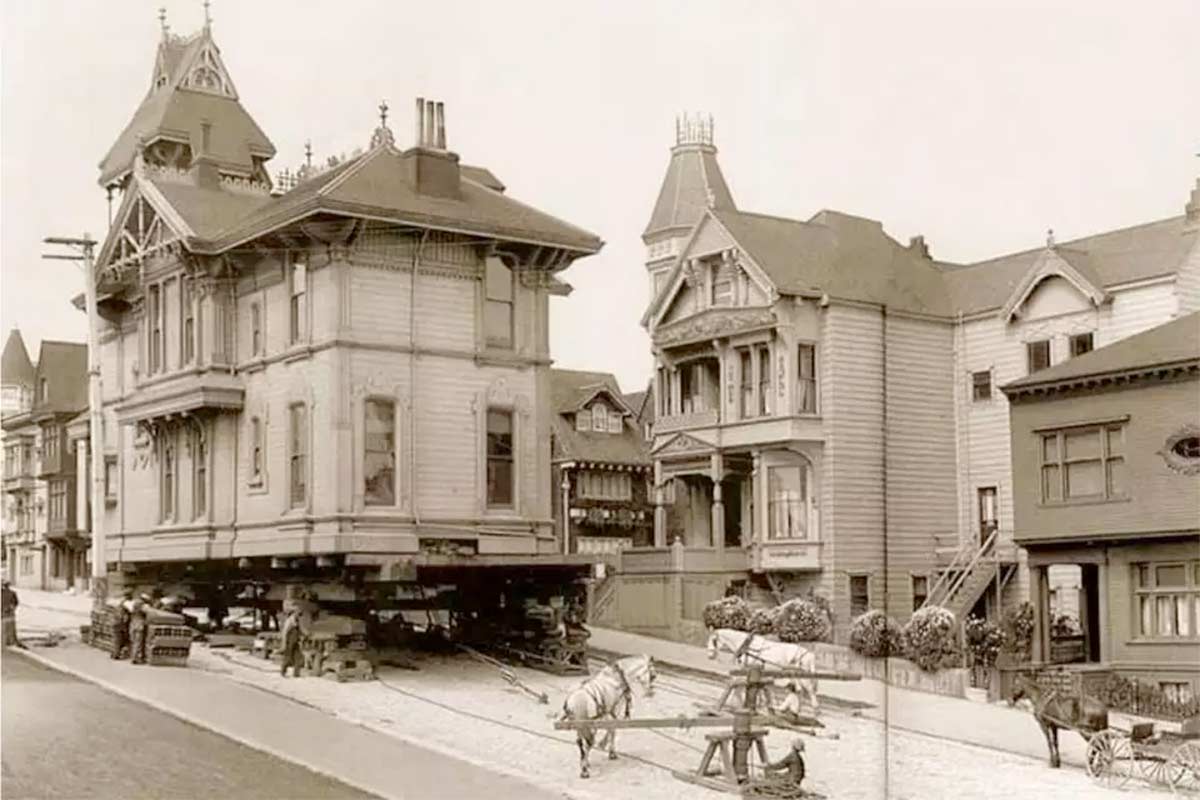
No one has yet been able to discover where exactly the house ended up. We assume such a distinctive building would be known if it still stood today but keep an eye out as you walk around town.
(House-moving plays a big part in the history of SF Heritage’s work. Read more about the 1974 “big move” of a dozen Victorians in the Western Addition.)

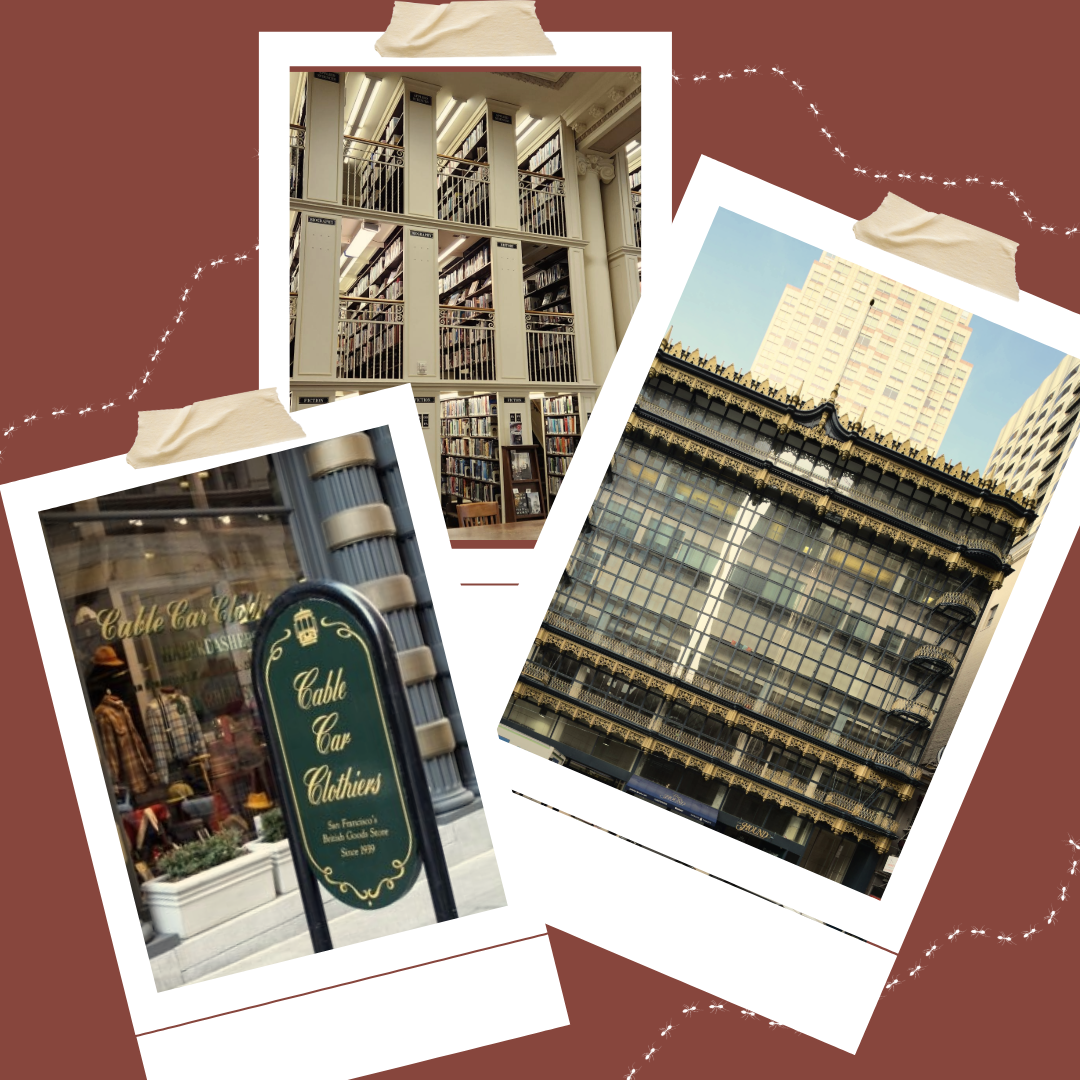
Woody’s Rainy Day Legacy Business Trifecta
I’ve just left the Mechanics’ Institute’s beautiful library on Post Street and the rain starts just as I hit Montgomery and Sutter streets.
I am unprepared.
Oh well, this is a good chance to duck into the café at the Center for Architecture + Design in the historic Hallidie Building (City Landmark no. 37). The café and gallery are run by the local chapter of the American Institute of Architects.
A coffee later, and the rain still coming down, I skip through the drops a hundred feet to see if Cable Car Clothiers sells umbrellas.
Oh boy, do they.
There are umbrellas here manufactured in Surrey and Somerset and… New York City. There are handles of ash, maple, and…plastic? Amazing.
I make a prudent choice and while considering lunch I realize I have just hit three interesting and useful San Francisco legacy businesses across one city block in a part of town the media often report as struggling.
It looks like the skies are starting to clear…

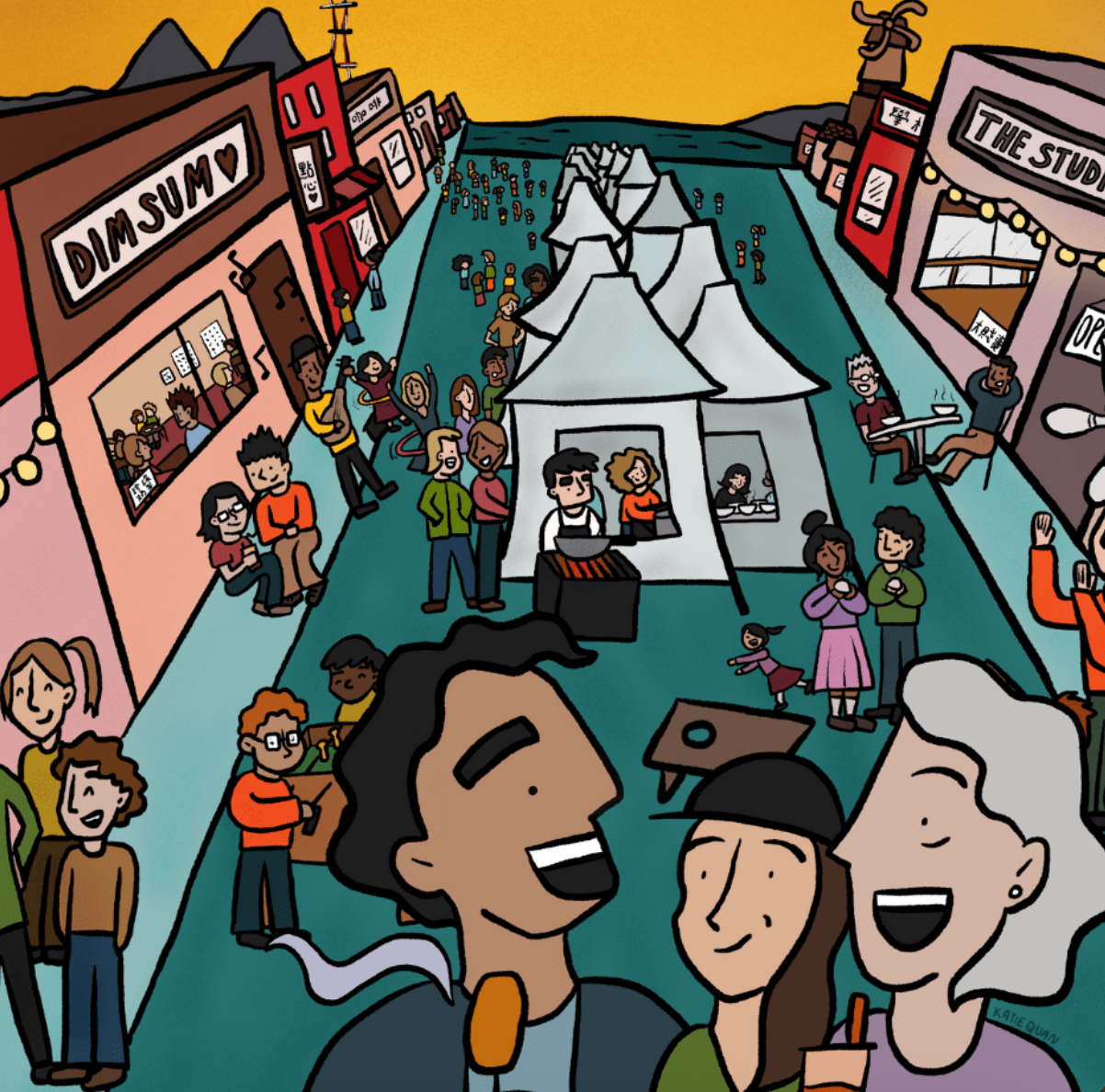
Celebrate the Year of the Horse
The making of a Sunset tradition
The Sunset Chinese Cultural District (SCCD) and Wah Mei School are partnering with ASIAN, Inc., Into the Streets, and Sunset Mercantile to bring back the Sunset Night Market to Irving Street on Friday, February 27 from 5-10 pm. This is a fun way to ring in the Year of the Horse, featuring local food, live entertainment, cultural performances, interactive activities, artisan makers, and community artists. Parking is limited and Muni is encouraged!
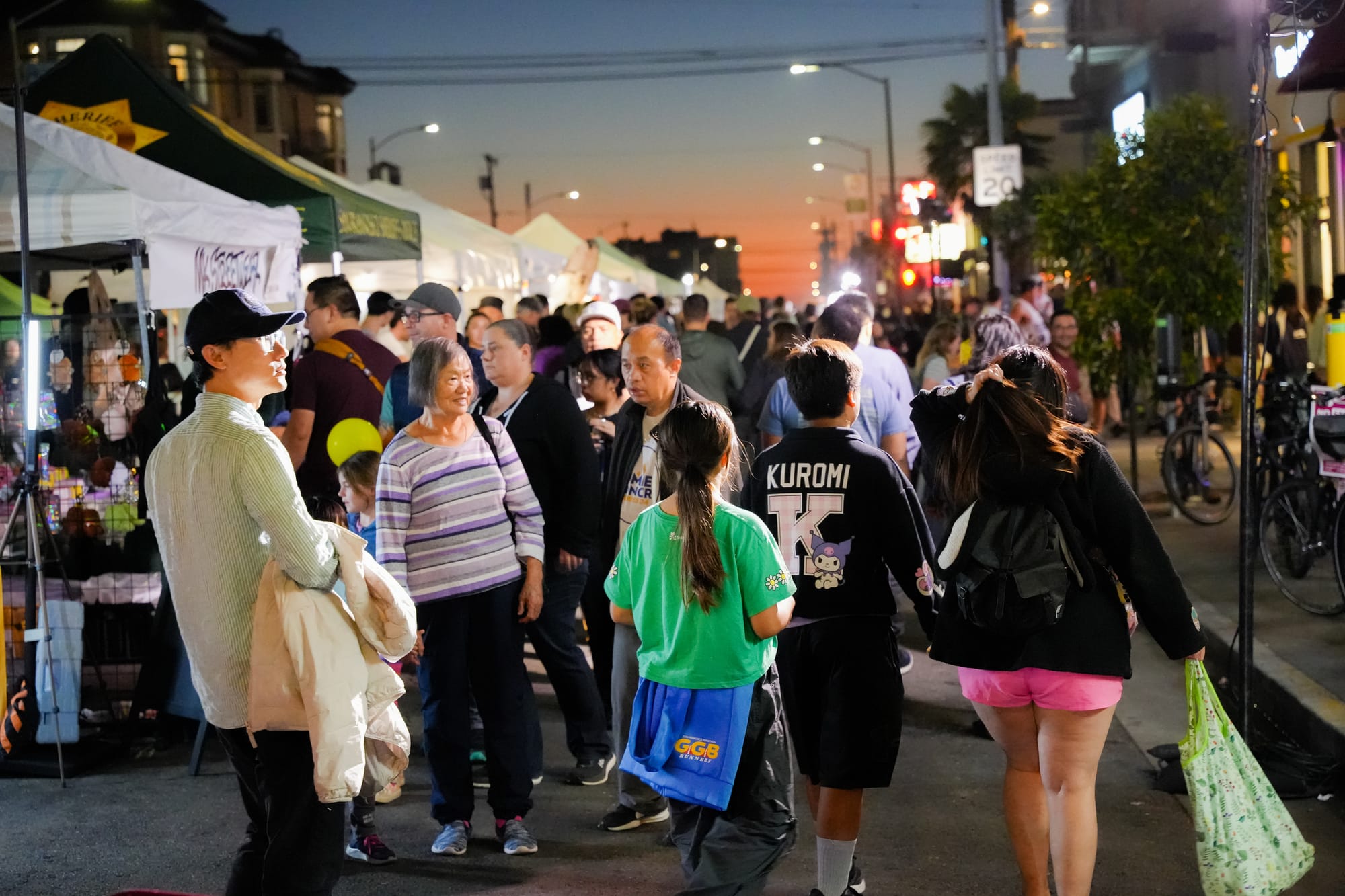
For SCCD Program Coordinator Eric Kim, the Market aligns with the cultural district's goals to create vibrant, family-friendly life in the Sunset: "The Market brought new visitors to the Irving corridor, many of whom were exploring the area for the first time. We’ve heard from countless community members and merchants asking for its return, which speaks to just how meaningful and popular the Night Market has become." Want to volunteer? Sign up here [報名成為志願者].

Guess Where answer
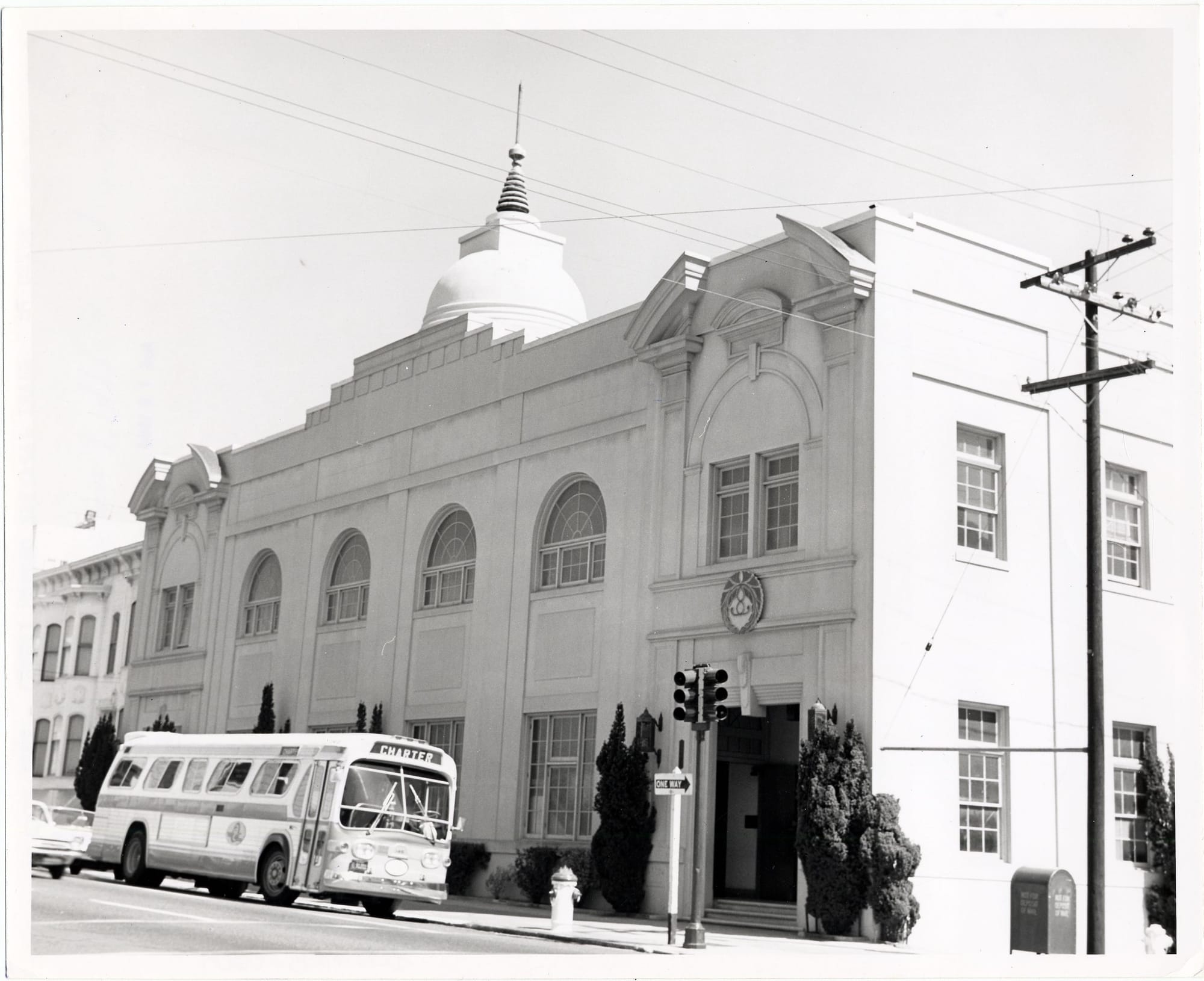
Today, February 19, is the Day of Remembrance, when President Roosevelt signed Executive Order 9066 expelling “all persons of Japanese ancestry, including aliens and non-aliens,” from West Coast military zones. Every Japanese person in San Francisco was ordered to report at various sites, and few months later were systematically removed into camps in the US interior.
The Buddhist Church of San Francisco, at 1881 Pine Street since 1914, was one of the few places in the neighborhood that stored the personal belongings of Japanese families while they were incarcerated (another was the Booker T. Washington Center, which took up offices in the vacated Kinmon Gakuen Building at 2031 Bush Street). Years later, when those families were finally allowed to resettle in San Francisco, this church provided another lifeline: it became a temporary home for up to 100 newly returned Japanese while they searched for somewhere permanent to live.
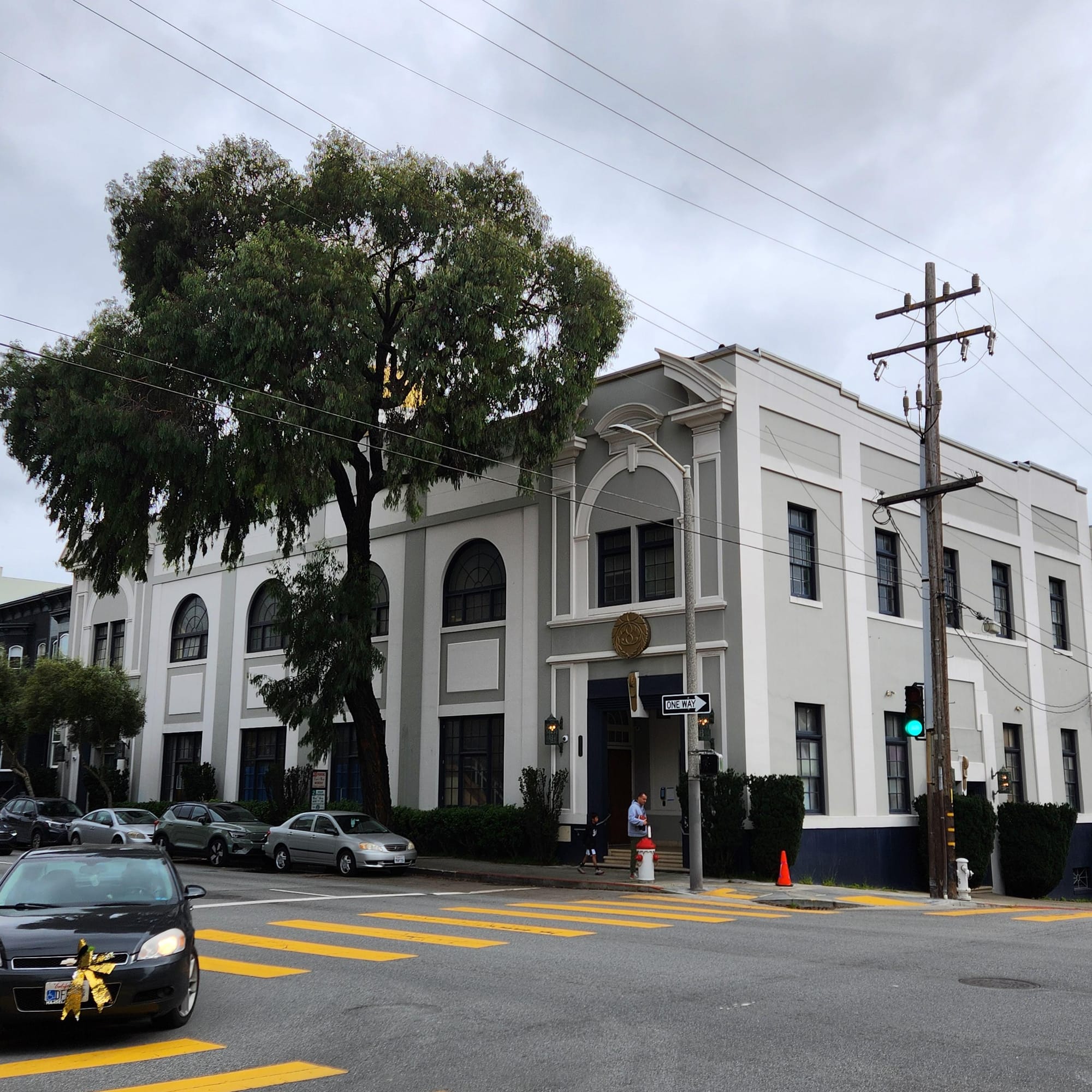
The Buddhist Church is a stop on the self-guided audio walking tour “Returning to the Harlem of the West,” which shares real-life accounts across eight sites to explore a little-told story: Japanese American resettlement in Japantown after incarceration. The tour brings to life both the tension and kindness between the returning families and the African Americans who had created a thriving “Harlem of the West” in their absence. The Redevelopment era would introduce common ground with more Western Addition displacement.
Become a Local Hero or Landmark Club member to receive special content once a month!
Member discussion